Oct 20, 2026



Public park playgrounds face conditions that residential or indoor equipment rarely encounters. High foot traffic, year-round exposure to sun and rain, and the constant need to meet safety regulations make the selection process different from ordering a backyard swing set. A municipality or parks department that gets this decision right will have a play area that serves the community for a decade or more with manageable maintenance. One that gets it wrong faces frequent repairs, safety complaints, and early replacement. This guide breaks down the factors that separate a durable, compliant public playground from one that quickly becomes a liability.
1. Safety Standards and Certification
The most important step is verifying that the equipment meets internationally recognised safety standards. In Europe, EN 1176 covers playground equipment and surfacing, setting requirements for entrapment, impact attenuation, and structural integrity. In North America, ASTM F1487 serves a similar role for public playground equipment. Reputable manufacturers publish compliance certificates for their products, and these documents should be requested before purchase.
Certification is not a one‑time formality. It means the equipment has been tested for specific load capacities, head and neck entrapment gaps, guardrail heights, and the absence of toxic materials. When comparing suppliers, look for test reports from accredited third‑party laboratories rather than relying solely on a manufacturer’s self‑declaration.
2. Material Selection for Longevity
The materials used in a public playground directly determine how long it will last and how much maintenance it will require. For the structural frame, hot‑dip galvanised steel is the standard because it resists rust even in high‑humidity or coastal environments. The zinc coating acts as a sacrificial layer, protecting the steel underneath even if the surface is scratched.
For platforms, slides, and decorative panels, Linear Low‑Density Polyethene (LLDPE) has become a preferred material. It resists UV degradation, does not splinter like wood, and retains its colour better than many other plastics under constant sun exposure. LLDPE is also easy to clean, which matters for public spaces where hygiene is a concern. Some manufacturers now offer galvanized‑steel‑framed play units with UV‑stabilized HDPE components specifically engineered for Middle Eastern and South American climates, where extreme heat and intense sunlight degrade lesser materials quickly.
3. Age‑Appropriate Design and Inclusivity
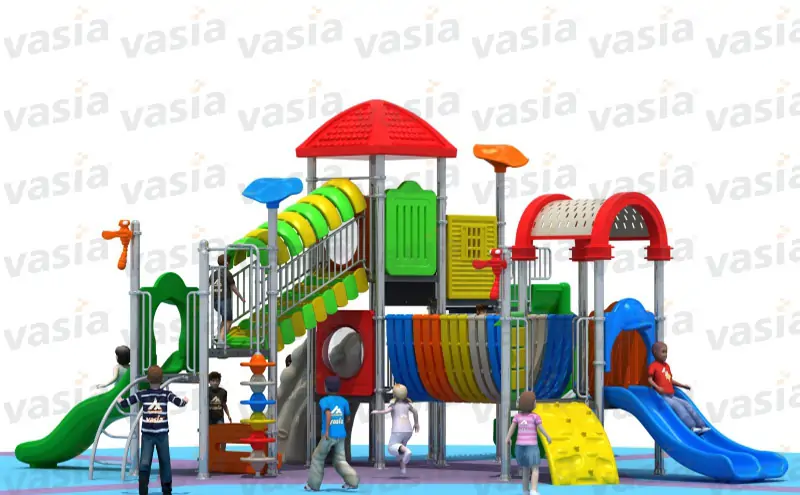
A single playground structure cannot safely serve all ages. Equipment designed for 2‑to‑5‑year‑olds should have lower platforms, smaller steps, and fewer overhead challenges. Equipment for 5‑to‑12‑year‑olds can include taller slides, climbing walls, and upper‑body activities. For public parks that serve a wide demographic, the best approach is often to divide the play area into zones with equipment appropriate for each age group, separated by clear sight lines so caregivers can supervise multiple children at once.
Inclusive design goes beyond age. Accessible pathways, transfer stations for wheelchair users, and ground‑level sensory panels make a playground usable for children with mobility or sensory differences. Many jurisdictions now require compliance with accessibility standards such as the ADA in the United States or equivalent local codes.
4. Customisation and Theming
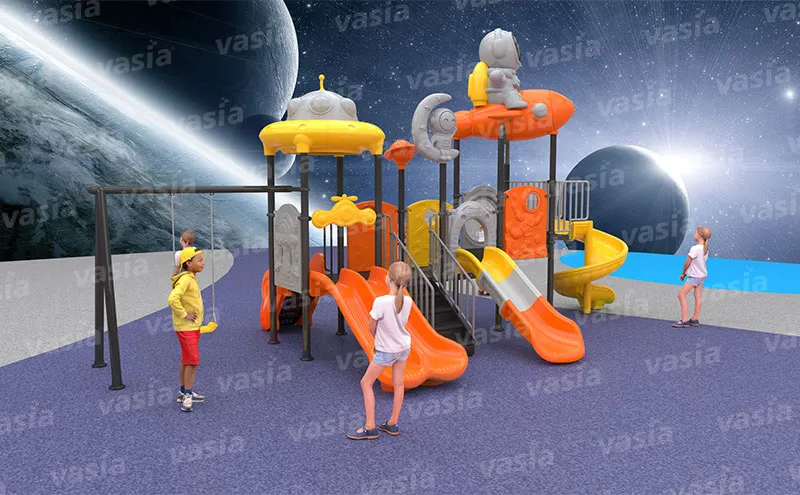
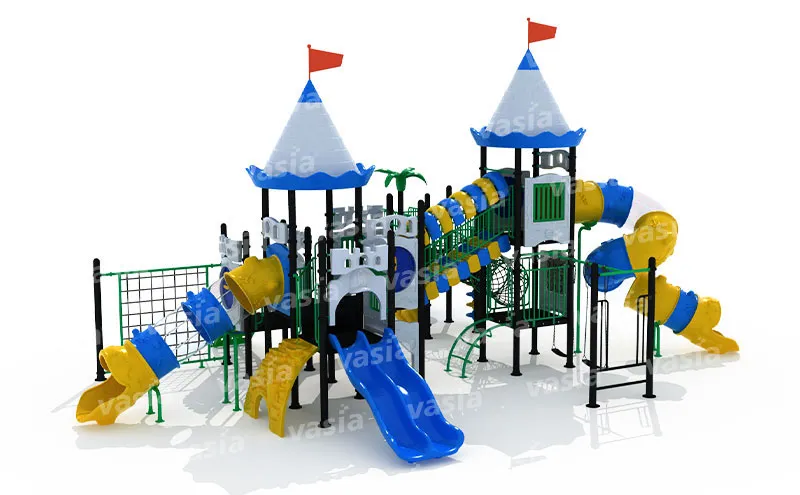
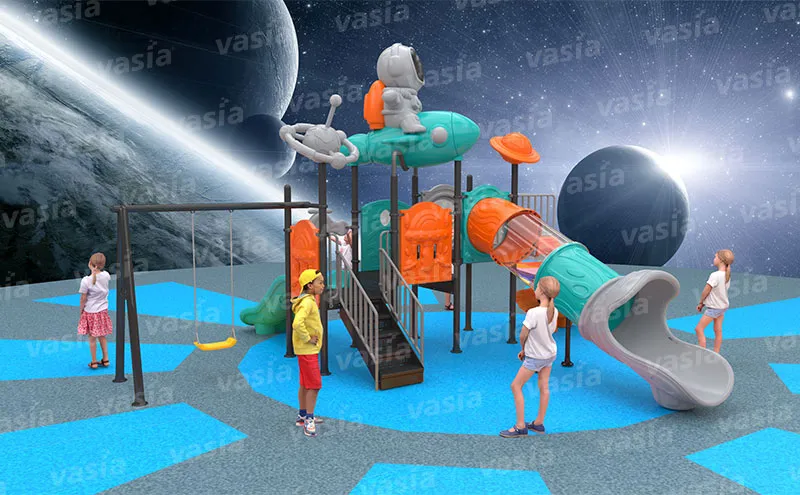
A themed playground – whether it is a castle, jungle, or spaceship – can become a destination that draws families from beyond the immediate neighbourhood. Customisation does not necessarily mean a complete departure from standard components. It can mean selecting specific colour schemes, adding custom‑printed panels with the park’s name or local imagery, or choosing a slide configuration that matches the site’s topography.
When evaluating configurable commercial play structures with custom colour and theme options, it is useful to work with a manufacturer that offers in‑house design services. A manufacturer with a dedicated design team can translate a rough concept into technical drawings that respect safety constraints while achieving the desired visual effect.
5. Site Preparation, Installation, and After‑Sales Support
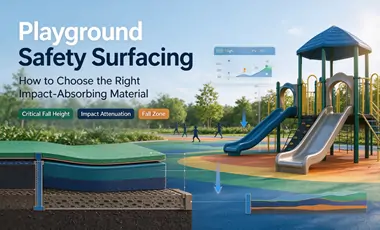
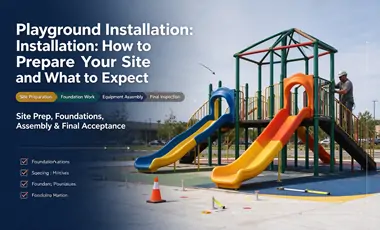
Even the best playground equipment will fail early if installed incorrectly. The surfacing under and around the equipment – whether it is engineered wood fibre, rubber tiles, or poured‑in‑place rubber – must meet the critical fall height requirements specified for each piece of equipment. The manufacturer should provide a detailed installation manual, and in many cases, certified installers are available through the supplier.
After‑sales support includes the availability of spare parts and clear maintenance guidelines. Public playgrounds typically require a visual inspection every week and an operational inspection every one to three months. The equipment supplier should be able to supply replacement parts quickly – ideally within days rather than weeks – because a broken slide or missing guardrail panel can force the closure of an entire play area until it is repaired.
6. Budget Considerations Beyond Purchase Price
The purchase price of the equipment is only one part of the total cost of ownership. Installation, safety surfacing, ongoing inspections, and eventual replacement of wear components all add to the long‑term budget. A cheaper initial purchase that requires frequent bolt tightening, plastic panel replacement, or rust treatment can cost more over ten years than a higher‑quality setup with lower maintenance demands.
When preparing a budget, parks departments should factor in a minimum 15‑year service life for structural components and 5‑10 years for wear components such as swing seats and bearings. Products designed for heavy commercial use typically carry a multi‑year warranty on the steel frame and a separate warranty on plastic parts. Checking the warranty terms before purchase provides a baseline for expected durability.
7. Common Mistakes to Avoid
Choosing equipment based on price alone. The lowest bid does not always meet the durability and safety requirements of a high‑traffic public park.
Ignoring local climate. Equipment rated for mild climates may fail quickly in extreme heat, salt air, or heavy rainfall. Confirm that the materials and finishes are suitable for the specific installation site.
Overlooking installation and surfacing costs. Allocate a realistic portion of the total budget to ground preparation, safety surfacing, and professional installation.
Forgetting about maintenance access. Ensure that the layout allows maintenance crews to reach every fastener, joint, and moving part without disassembling large sections of the structure.
Putting It All Together
Selecting playground equipment for a public park is a process that rewards careful research. Start by confirming safety certifications, then evaluate materials for the local climate, design for the intended age groups and accessibility, and verify the manufacturer’s ability to support the installation over its lifetime. The goal is an outdoor play area that remains safe, attractive, and functional for the community year after year.
For parks and municipalities seeking a range of certified, weather‑resistant playground solutions built for commercial use, reviewing a manufacturer’s complete catalogue – along with their case studies from similar climate zones – is a practical next step. The time spent on specification before the order is placed will directly reduce the number of maintenance calls and safety incidents over the playground’s life.
Enter Your E-Mail


Yangwan Industrial Park, Qiaoxia, Yong Jia, Wenzhou, Zhejiang, China